Archives
- 2026-10
- 2026-09
- 2026-08
- 2026-07
- 2026-06
- 2026-05
- 2026-04
- 2026-03
- 2026-02
- 2026-01
- 2025-12
- 2025-11
- 2025-10
- 2025-09
- 2025-03
- 2025-02
- 2025-01
- 2024-12
- 2024-11
- 2024-10
- 2024-09
- 2024-08
- 2024-07
- 2024-06
- 2024-05
- 2024-04
- 2024-03
- 2024-02
- 2024-01
- 2023-12
- 2023-11
- 2023-10
- 2023-09
- 2023-08
- 2023-07
- 2023-06
- 2023-05
- 2023-04
- 2023-03
- 2023-02
- 2023-01
- 2022-12
- 2022-11
- 2022-10
- 2022-09
- 2022-08
- 2022-07
- 2022-06
- 2022-05
- 2022-04
- 2022-03
- 2022-02
- 2022-01
-
New follicular wave emergence is associated
2022-08-12
New follicular wave emergence is associated closely with the stage of the estrous Colistin Sulfate sale (Sirois and Fortune, 1988). As indicated by results from the present experiment, cows that had regression of the largest follicle on Day 0 of treatment onset had follicle wave characteristics tha
-
A further generally applicable approach
2022-08-12
A further generally applicable approach for the synthesis of N-linked glycopeptides involves the convergent Lansbury aspartylation of glycosylamines. Here, the detrimental formation of aspartimides during the activation of the side chain aspartate can be prevented through the use of Ser/Thr pseudopr
-
methysergide mg After brain injury adenosine levels rapidly
2022-08-12
After brain injury, adenosine levels rapidly increase in the brain [9,10]. As shown in our previous studies, the increased adenosine concentration acts on adenosine A2A receptors (A2ARs), increasing post-traumatic glutamate levels in the brain and exacerbating the severity of injuries [11,12]. Accor
-
The expression and localization of Cx Cx and
2022-08-12
The expression and localization of Cx43, Cx46 and Cx50 in the anterior pituitary vary with physiological activities and with various conditions associated with both natural and pathological changes in hormone secretion. Anterior pituitary Cx43 and Cx50 levels increase and exhibit a more widespread d
-
These reports have gradually established G quadruplex
2022-08-12
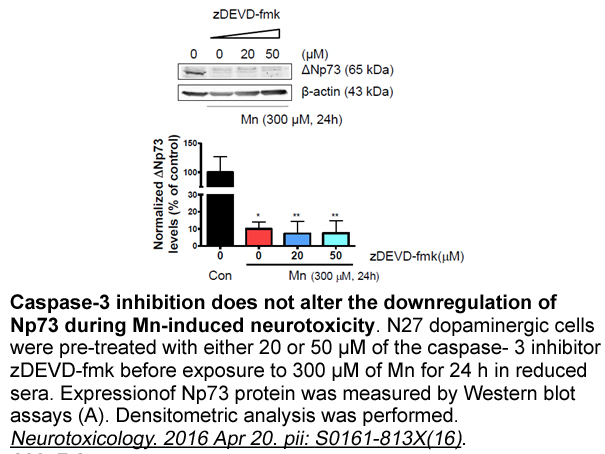
These reports have gradually established G-quadruplex binding small molecules as promising anti-cancer therapeutic agents. Besides the stabilization of G-quadruplex structures, some of these molecules also serve as diagnostic probes and sensors for G-quadruplexes in vitro and in vivo. Of these, Thio
-
With the increasing use of INSTIs in
2022-08-11
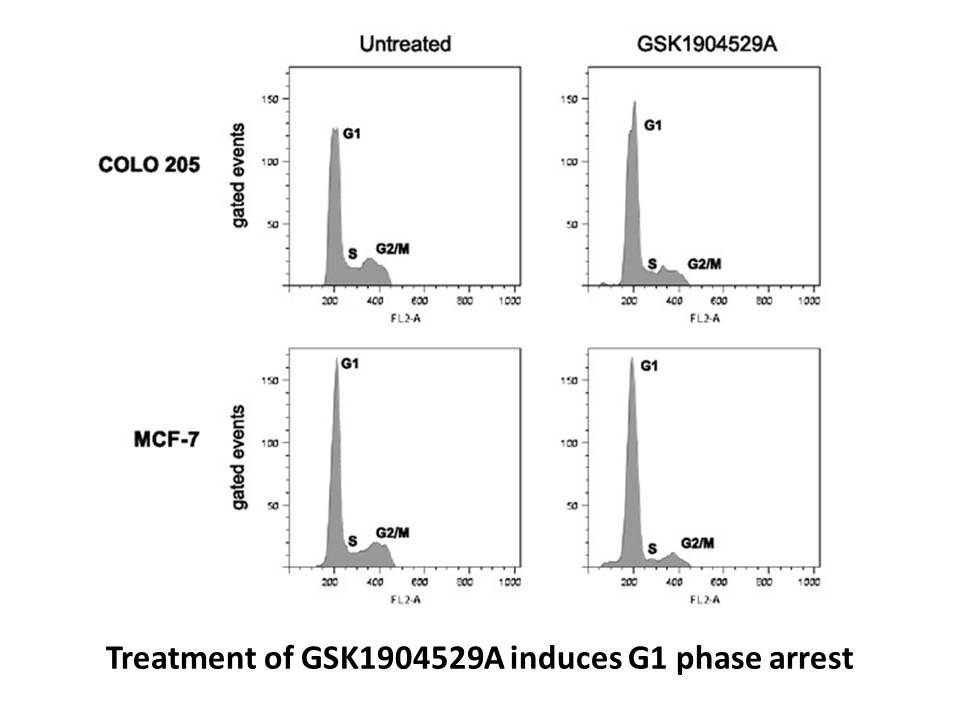
With the increasing use of INSTIs in clinical practice, drug resistance to this class in different HIV-1 subtypes should be carefully monitored and investigated. Studies on HIV-1 diversity and drug resistance would greatly help our understanding of viral transmission, pathogenesis and ART resistance
-
Aloperine mg H R antagonism can prevent
2022-08-11
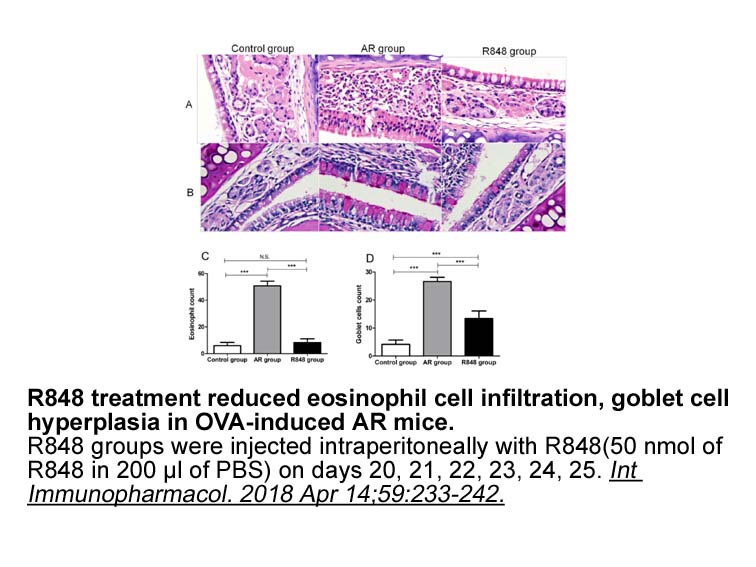
H3R antagonism can prevent seizure development and improve working memory through the activation of histaminergic neurons (Huang et al., 2004, Zhang et al., 2003). In addition, we have recently found that H3R antagonism protects against ischemia-reperfusion injury via histamine-independent mechanism
-
Tylophora atrofolliculata is a centuries used folk medicine
2022-08-11

Tylophora atrofolliculata is a centuries-used folk medicine for the treatment of rheumatism in China (Jiangsu New Medical College, 1977). One group of its bioactive components is phenanthroindolizidine alkaloids, which have been demonstrated as lead compounds of anti-tumor agents in our previous stu
-
Substrate affinity and specificity can
2022-08-11
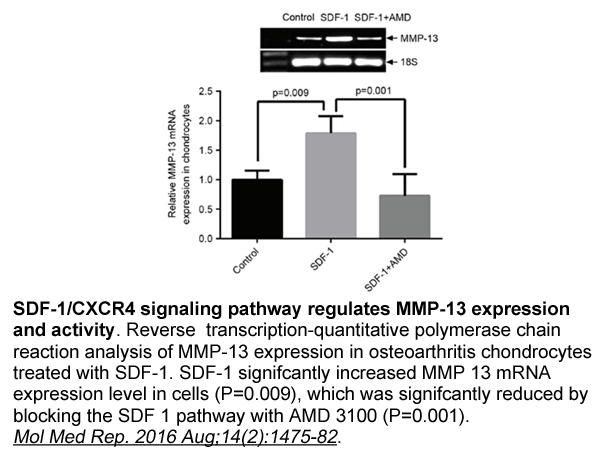
Substrate affinity and specificity can be enhanced by docking interactions, in which regions distal to the site of Leflunomide bind to grooves, pockets, or surfaces outside of the kinase catalytic cleft 1, 2, 5, 6. Like catalytic site interactions, docking interactions can involve recognition of sh
-
A nitric oxide donor glyceryl trinitrite and the substrate f
2022-08-11
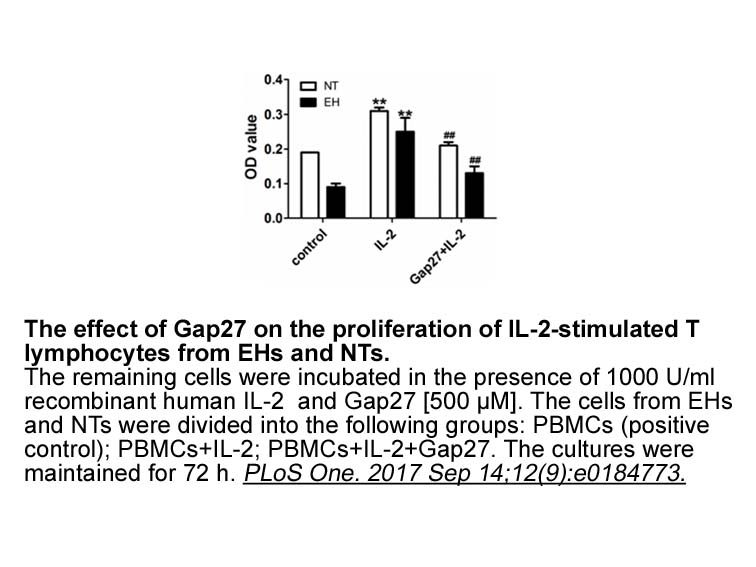
A nitric oxide donor, glyceryl-trinitrite, and the substrate for nitric oxide, l-arginine, have been used to treat preterm labor. However, these studies are preliminary. The beneficial effect of nitric oxide donors needs to be confirmed by more controlled studies. The probable pitfall of using nitri
-
GSK is a critical component of the Wnt
2022-08-11
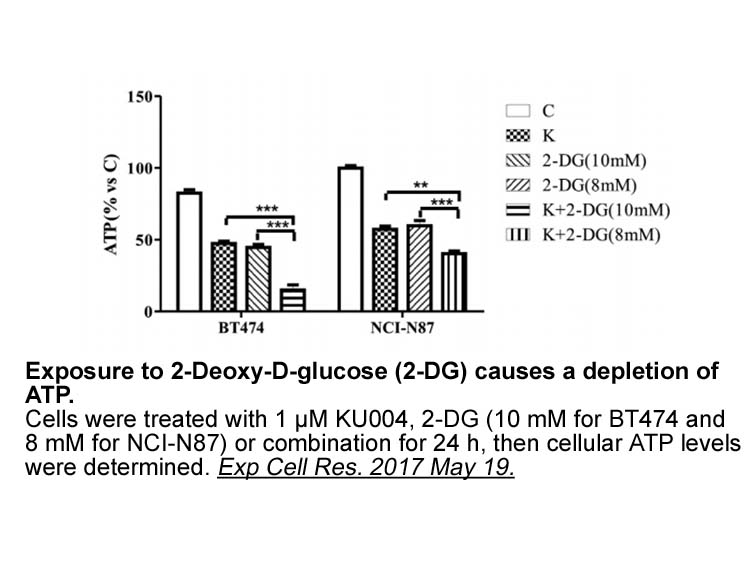
GSK-3 is a critical component of the Wnt signaling pathway. The Wnt/beta-catenin signal transduction pathway is important in normal growth and development and is also frequently dysregulated in cancer and other diseases. The Wnt/beta-catenin pathway is finely tuned by both positive and negative inte
-
The rat model was validated with another agonist of
2022-08-11

The rat model was validated with another agonist of GPR109A, acipimox. Acipimox has been shown to induce vasodilatation in man, by a mechanism dependent on the release of vasodilator prostaglandins (Edlund et al., 1990, Pontiroli et al., 1992). Acipimox is a weaker agonist of the GPR109A receptor (L
-
br Funding M I is
2022-08-11
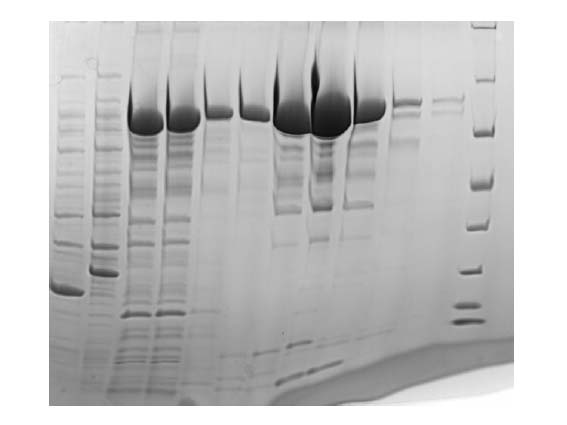
Funding M.I. is supported by European Research Council (ERC) Consolidator Grant 725038, Italian Association for Cancer Research (AIRC) Grant 19891, Italian Ministry of Health (MoH) Grant GR-2011-02347925, Lombardy Foundation for Biomedical Research (FRRB) Grant 2015-0010, the European Molecular B
-
Moreover to evaluate the properties of immobilized glucosida
2022-08-10
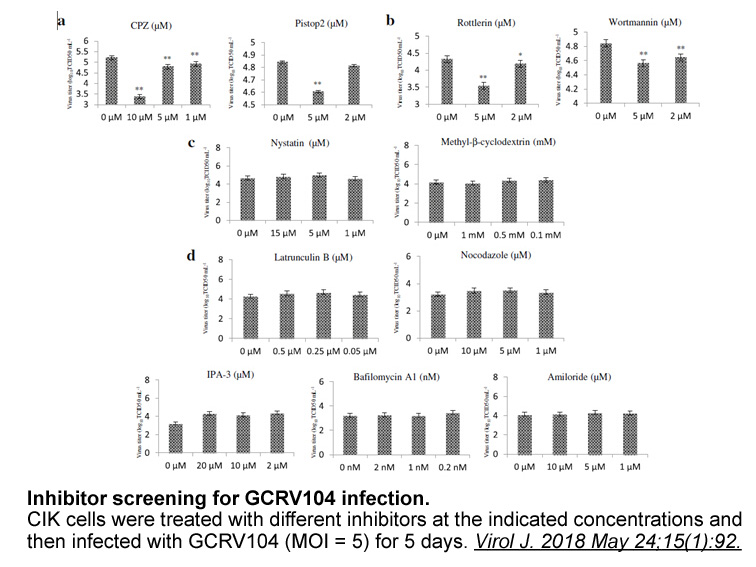
Moreover, to evaluate the properties of immobilized β-glucosidase further, the anti-protease test was also carried out. The result showed that the residual activity of the β-glucosidase@ZIF-8 was higher than that of the nano-SiO2@β-glucosidase and free β-glucosidase. Because free β-glucosidase and t
-
Acknowledgments br Introduction Type diabetes
2022-08-10

Acknowledgments Introduction Type 2 diabetes mellitus (T2DM) is caused by relative insulin deficiency or insulin resistance in peripheral tissues. The clinical management of T2DM is achieved by controlling blood glucose levels. Current therapies available for treatment of T2DM include biguanides
8474 records 443/565 page Previous Next First page 上5页 441442443444445 下5页 Last page